Beer and beverage concentration
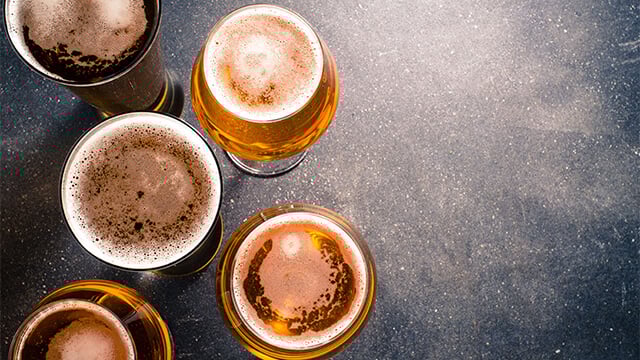
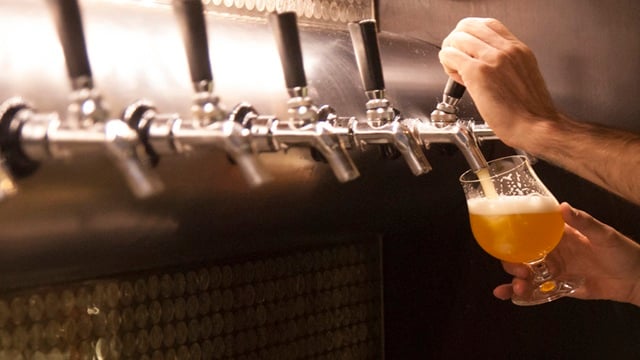
Beer concentrate is beer in a reduced-volume form. Using a beer concentration system, producers brew as usual, remove the water, and later add water to the concentrated beer at the point of filling or consumption. The resulting beer retains the same alcohol level, aromatics, proteins, and minerals as the original, while cutting beer transportation volumes and costs by up to 80%.
Why concentrate beer?
- Reduce CO2 per hectolitre across your supply chain
- Cut transport, packaging and storage costs
- Consolidate production and expand to new markets faster
- Reuse the water removed from beer on-site
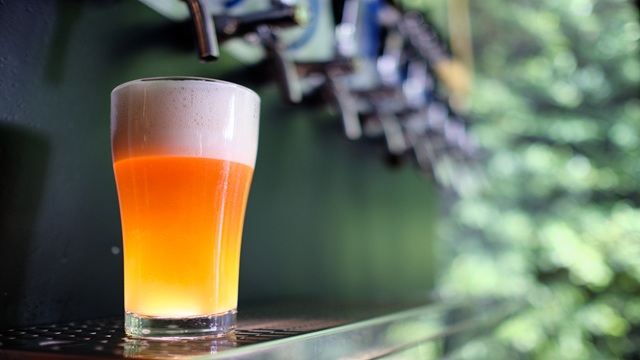
Deliver premium beer, lower costs, and reduce your environmental impact. The Alfa Laval beer concentration system lets you produce and deliver beer from concentrate that is indistinguishable from traditionally brewed beer, preserving the taste, aroma, and quality of your brand.
The beer concentration system uses advanced reverse osmosis and proprietary ultra-tight membrane elements. It handles high pressures, simplifies Cleaning-in-Place (CIP), and delivers consistent quality with maximum uptime. Unlike freeze concentration or evaporation, it eliminates feed degassing and reduces energy use – preserving delicate flavours while lowering capital expenditure and footprint.
How the beer concentration system works
This innovative beer technology cuts transport-related carbon emissions by up to 80% and enables expansion into new markets without building additional facilities. One keg of beer concentrate can replace up to five standard kegs, reducing steel, water, and energy use while simplifying logistics.
Put the Alfa Laval Revos concentration system to the test. Send eight kegs of your beer or beverage to one of Alfa Laval’s two testing sites (either in the US or Denmark) and take part in an onsite testing and performance review.
You could also rent and test a commercial-scale unit to determine concentrate throughput and product quality on your site.
Revos questions? We’ve got answers
Find answers to the most frequently asked questions about the Revos beer concentration system here.
Curbing carbon emissions - Learn more from our white paper
How can breweries and beverage manufacturing facilities reduce their carbon footprints while making operations more efficient? Reducing direct and indirect emissions plays an important role – from purchasing raw materials, electricity and manufacturing to packaging, materials and distribution. This white paper will focus on reverse osmosis (RO) membrane filtration for beer and beverage concentration as a cost-effective way for manufacturers to reduce the carbon footprint of their supply chains.

Applications