
Degumming systems
Improve edible oil quality, shelf life, and yield with an efficient degumming process. Alfa Laval’s degumming systems remove hydratable and non-hydratable gums, phospholipids, proteins, carbohydrates, nitrogen compounds, chlorides (3-MCPD precursors), metals, and insoluble impurities across a wide range of fats and oils. With tailored solutions for special degumming, acid degumming, enzymatic degumming, and water degumming, you can reduce loss and improve refining performance when degumming oil
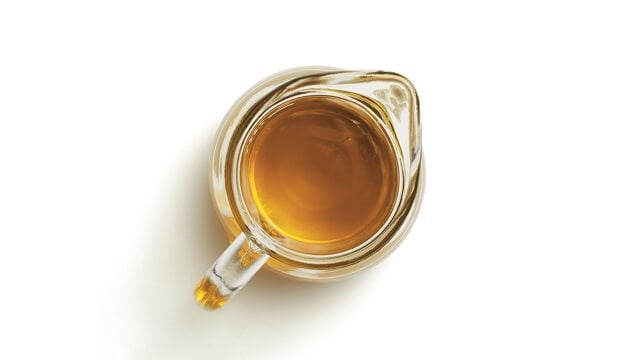
Optimize your degumming processes
- Maximize edible oil quality, shelf life and yield
- Minimize gum content and cut refinery operating costs further
- Reduce neutral oil loss and utility costs
- Increase reliability and uptime while extending service life
- Minimize 3-MCPD precursors
Alfa Laval is not only a supplier to us but also a partner, guide and friend” - Valeriy Fedorenkov, Technical Director, Odessa Maslozhircombinat
Due to this innovative step, we’ve seen a significant increase in oil yields and processing margins, enabling our facility to exploit its potential even better,” - Luis Palacios, Molinos’ Industrial Manager of Molinos Río de la Plata
Versatile degumming systems for edible oil pretreatment
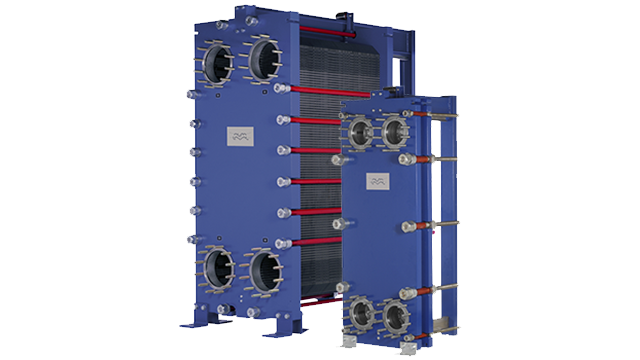
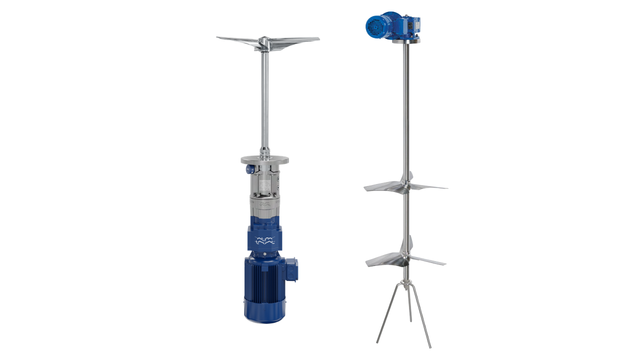
Get the flexibility you need for high-performance, cost-effective edible oil refining. Alfa Laval offers a comprehensive range of degumming systems built around high-efficiency disc stack centrifuges, plate heat exchangers, and mixers. These modular solutions are easy to install, use, and maintain, whether upgrading an existing line or building a new edible oil processing plant.
Water degumming
For removal of hydratable gums using Alfa Laval mixers and disc stack centrifuges. Dried gums can be used for lecithin production which are valuable food additives.
Enzymatic degumming
For removal of hydratable and non-hydratable gums, chlorides (precursors of 3-MCPD formation at downstream refining processes) using Alfa Laval disc stack centrifuges and heat exchangers.
Special degumming
For removal of hydratable and non-hydratable gums using acids or a combination of acids and caustic soda and Alfa Laval’s self-cleaning disc stack centrifuges with a special CentrizoomTM paring disc.
Acid degumming
For removal of gum-like impurities and metals from animal fat using Alfa Laval disc stack centrifuges.
How the edible oil degumming process works
What is degumming? The degumming process begins with the removal of phospholipids and other impurities that negatively impact the stability, quality, and shelf life of edible oil. Each degumming method, whether water-based, acid-based, or enzyme-driven, targets specific types of gum.
During the process, the gums become hydrophilic or are converted into water-soluble fragments, making them easier to separate through centrifugation. This not only increases neutral oil yield but also prepares the oil for further refining by reducing unwanted by-products, such as soapstock and chlorinated compounds.
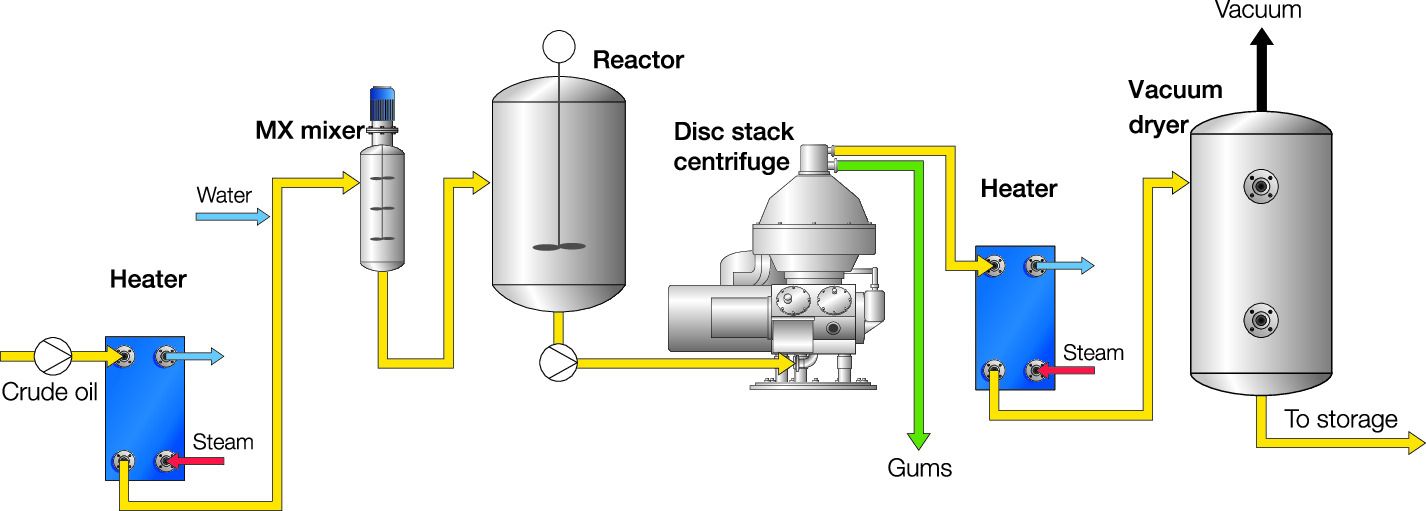
Water degumming
Water degumming is a simple, cost-effective pretreatment step in the oil degumming process. It removes as much gum as possible before the main processing stage. The extracted gums can be dried to form lecithin, a valuable by-product, or returned to the meal in the extraction plant.
Effective degumming means that less material needs to be removed downstream during neutralization. It also reduces the soapstock produced that requires further treatment or disposal.
Enzymatic water degumming
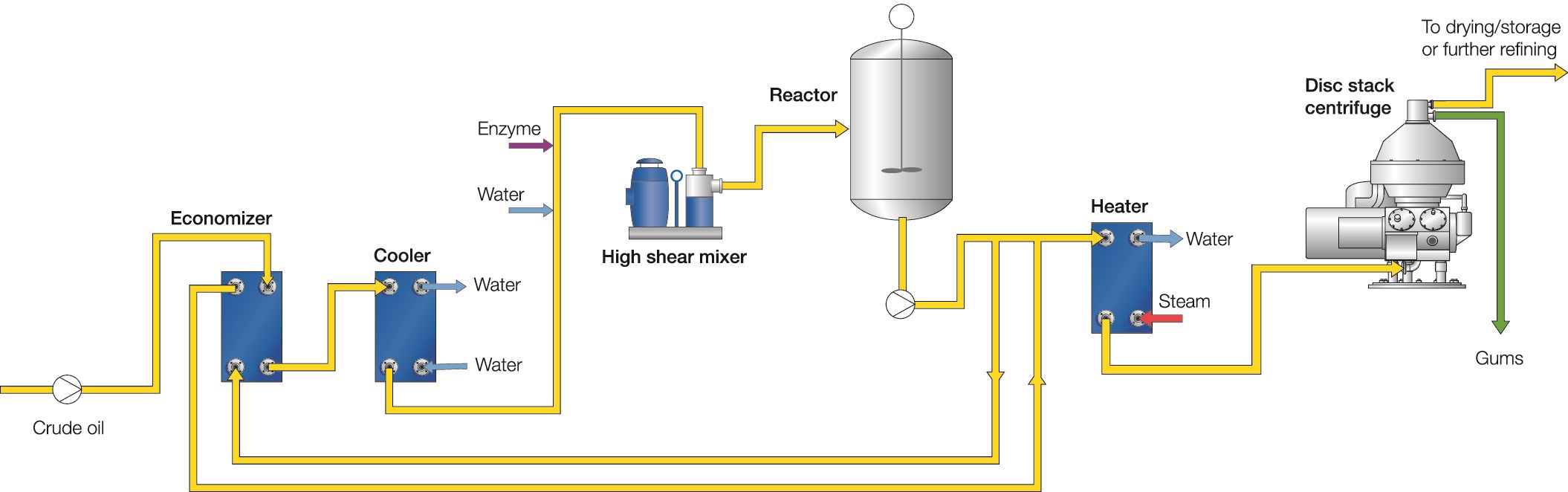
For oils with high phospholipid content, enzymatic degumming with phospholipase C (PLC) is recommended. The degumming enzyme breaks down phospholipids into diacylglycerol (DAG) and a water-soluble, phosphate-bearing ester. This method reduces gum content, minimizes oil loss, and increases neutral oil yield, making edible oil processing more resource-efficient.
Enzymatic deep degumming
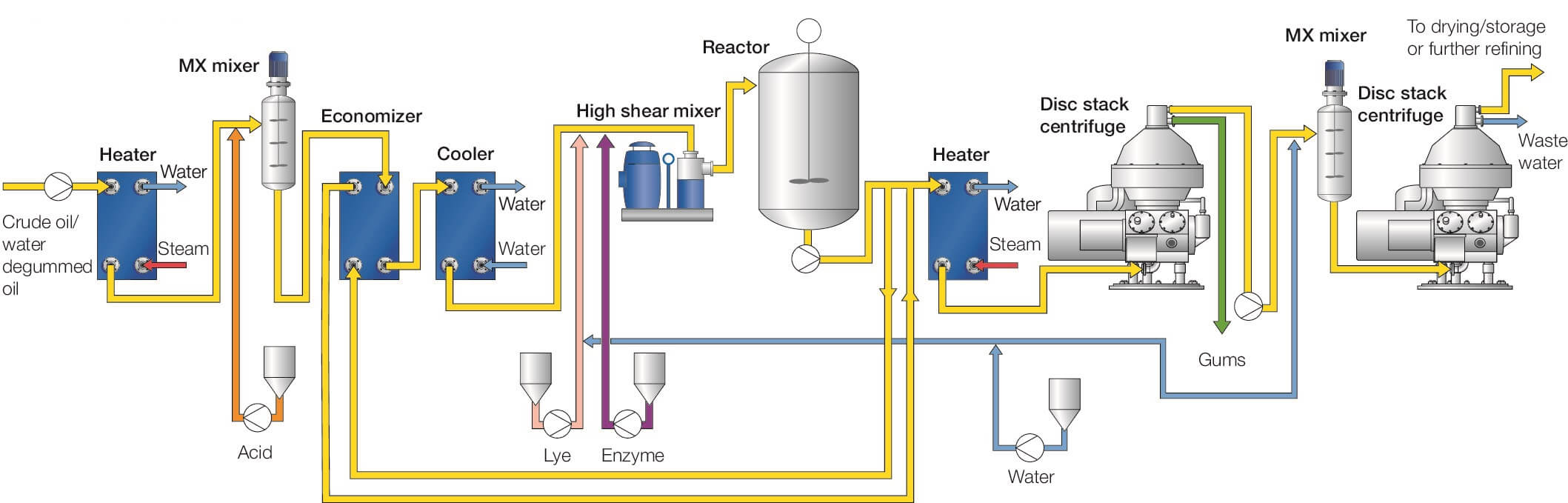
This method combines acid pre-treatment with enzymatic activity to process oils with both hydratable and nonhydratable gums. Pre-treatment of seed oils with a small amount of acid effectively removes gums to levels, making them easier to process. The addition of diluted lye enables adjustment of the pH value prior to dosing an appropriate enzyme.
The phospholipase A-enzyme (PLA) converts both hydratable and nonhydratable gums into lyso-gums and free fatty acids. Lyso-gums are more hydrophilic, making them easier to remove during centrifugation, significantly reducing impurities such as chlorides that can lead to the formation of 3-MCPD.
Acid degumming
Acid degumming uses a mix of citric acid and water at controlled temperatures to extract gums and metals, particularly when processing animal fats. Intensive mixing enables the separation of gums, gum-like impurities, and metals. The process results in cleaner oil with fewer impurities, providing a critical step in producing edible oils that meet food safety standards.
Special degumming
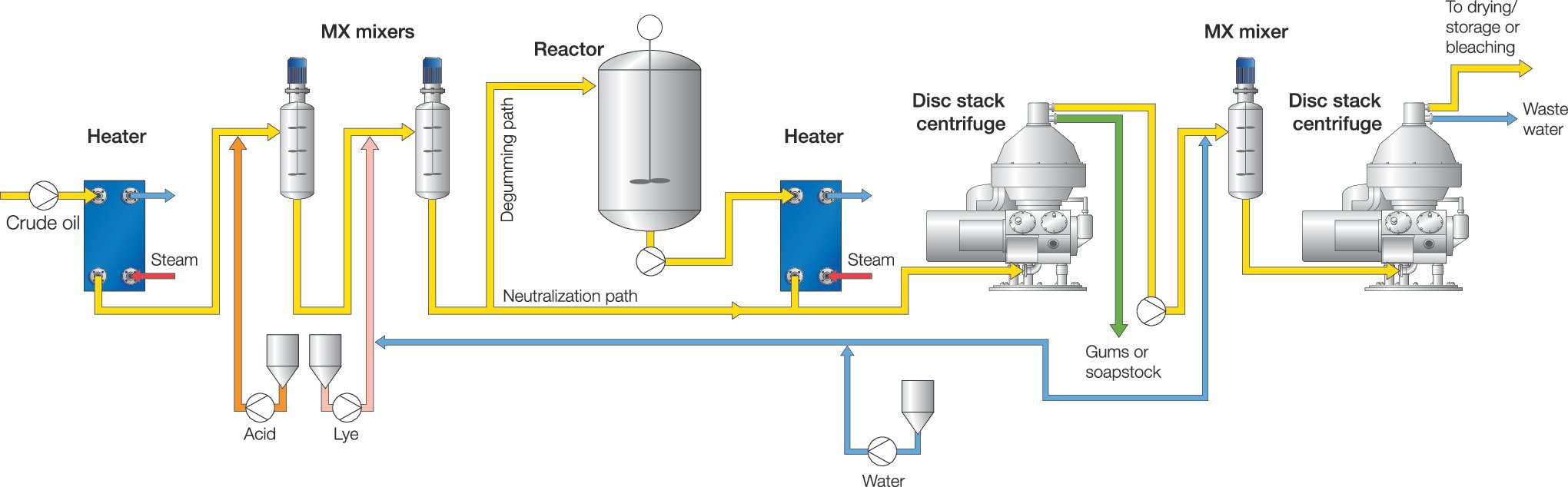
This method separates hydratable and nonhydratable gums from seed oils. Through the addition of a small amount of a suitable acid and diluted lye at carefully controlled temperatures, this physical seed oil refinement process separates gums from selected oils. The resulting high-viscosity gums are effectively handled by Alfa Laval’s Centrizoom™ paring disc outlets and self-cleaning disc stack centrifuges producing a more highly clarified oil suitable for onward processing – except in the case of low-quality seed oils. To maintain the quality of the final product, these oils may require full caustic neutralization to remove free fatty acids and residual gums, or the Combi Mix process (see below).
Combi Mix process
The Combi Mix process provides processors with a flexible solution for efficiently handling both high- and low-quality seed oils. In the first stage, physical refining is used for high-quality oils, while caustic neutralization for lower quality oils that need more intensive impurity removal. This two-stage process provides the flexibility needed to process high-quality seed oils that require physical refining as well as any lower-quality oils for which neutralization using caustic soda is the only viable way to remove impurities. This two-step system enhances versatility in edible oil processing and reduces impurities no matter the feedstock.
Why choose Alfa Laval degumming systems?
Alfa Laval degumming systems – including water degumming, acid degumming, or enzymatic degumming – offer high performance and flexibility. They are designed to maximize oil yield, minimize product loss, and effectively remove a wide range of impurities such as phospholipids, chlorides, and metals. With multiple degumming technologies available, you can choose the ideal system for your production needs and specific oil type.
Alfa Laval degumming reliably handles phospholipids, proteins, carbohydrates, nitrogen compounds, chlorides (3-MCPD precursors), metals and insoluble impurities, minimizing product loss while maximizing oil quality and yield.
Customer's voice
Aïcha
Aïcha is the leading producer of marmalade, olive oils and tomato paste in Morocco. The company operates a refinery that uses 100% Alfa Laval equipment, including a SoftColumn deodorizing plant, disc stack centrifuges and heat transfer equipment.
It’s not an exaggeration to say this is the most sophisticated edible oil refinery in the country. We are at least 10 years ahead of our Moroccan competitors.”
- David Devico, managing director.
Odessa Maslozhircombinat
Odessa Maslozhircombinat (fats and oils plant in Odessa) is one of the leading producers of margarine, mayonnaise and bottled sunflower oil in Ukraine, with operations that include a sunflower oil refinery.
When the company ran into quality problems with its existing degumming process, it turned to Alfa Laval for assistance. The outcome was the installation of an Alfa Laval special degumming process line that helped the plant produce oil of a better quality, while also enabling it to reduce losses.
Alfa Laval is not only a supplier to us but also a partner, guide and friend”
- Valeriy Fedorenkov, Technical Director.
Molinos Río de la Plata
Molinos Río de la Plata, Argentina’s leading soybean and sunflower seed processor, selected Alfa Laval to convert its San Lorenzo facility to the Purifine PLC degumming process.
Due to this innovative step, we’ve seen a significant increase in oil yields and processing margins, enabling our facility to exploit its potential even better
- Luis Palacios, Molinos’ Industrial Manager.
Key edible oil processing equipment used in our systems
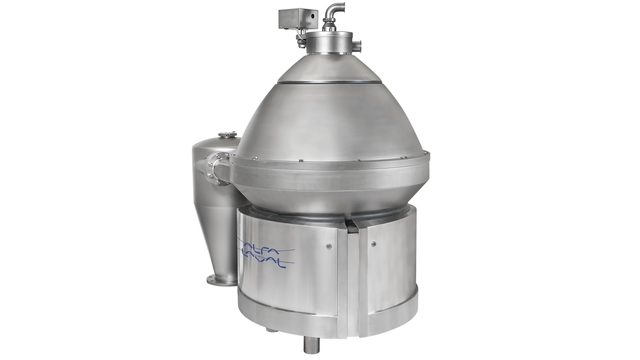
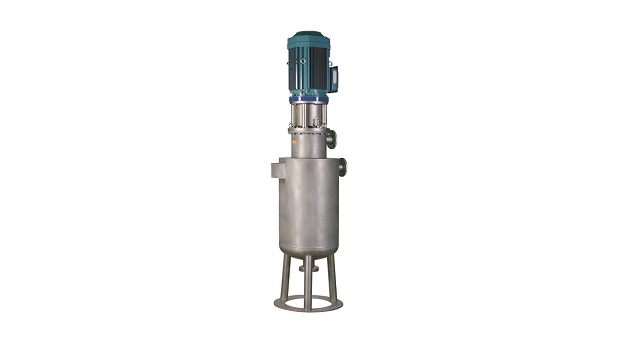
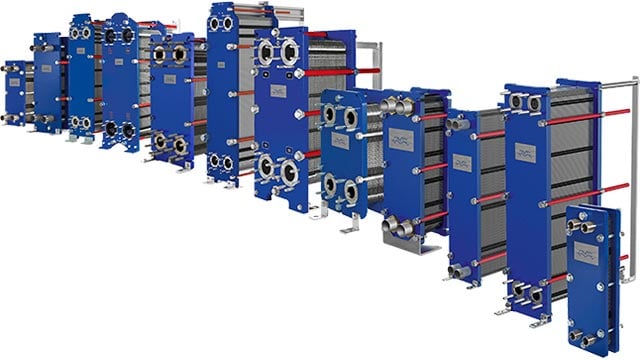

Elevate the performance of your edible oil refining systems
Resource-smart production is essential as edible oils play a critical role in global food security. Optimize your processes over the entire lifecycle of your edible oil systems with the Alfa Laval service portfolio.
Leverage our full range our services - from system design, precision engineering, and effortless installation to commissioning, cost-effective operation, routine maintenance, and system upgrades.
With tailored service agreements, you can reduce waste, safeguard product quality, simplify operations, and maximize your return. Focus on the growth of your business while our global network and local providers take care of the rest.
Webinars for the Edible Oil industry
Our experts share know-how to optimize edible oil refining processes, remove impurities and volatile components for better product quality, safety and yield.